
What is 10 56 Lidocaine Numbing Cream?
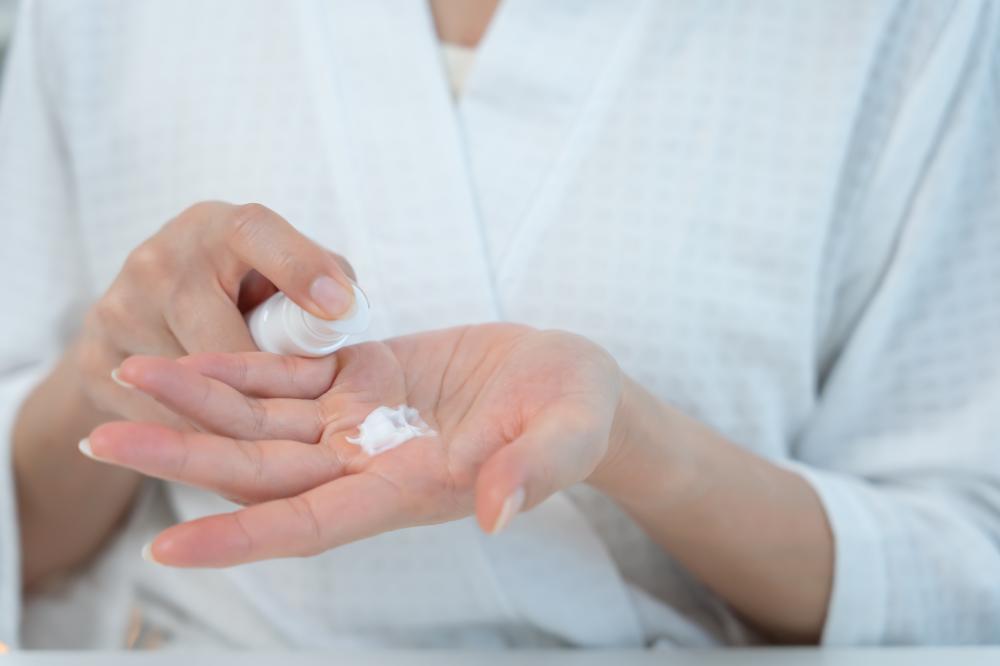
10 56 lidocaine numbing cream is a potent topical anesthetic used to manage pain during various dermatological and aesthetic procedures. With a concentration of 10.56% lidocaine, it offers rapid and effective numbing, reducing discomfort for patients undergoing treatments such as laser therapy, tattooing, and minor surgeries. As a professional with over two decades in the medical aesthetic field, I have seen firsthand the profound impact of using numbing agents like the 10 56 lidocaine numbing cream in transforming patient experiences.
Effectiveness and Applications
From my experience at Medical Aesthetic Supply, the 10 56 lidocaine numbing cream is highly effective due to its high concentration of lidocaine. This potency ensures that nerve endings are desensitized quickly, allowing for pain management during procedures. Dermatologists and aesthetic practitioners favor this cream for its versatility. It is suitable for tattoo artists who require reliable numbing solutions for intricate work, as well as for medical professionals treating patients with a low pain tolerance.
Additionally, the cream proves useful beyond tattoos and laser treatments, offering relief during microneedling and cosmetic injections. These applications highlight the cream’s broad utility in a clinical setting.
How to Apply 10 56 Lidocaine Numbing Cream
To maximize the effectiveness of 10 56 lidocaine numbing cream, follow these steps:
- Ensure the area is clean and dry before application.
- Apply a thick layer of the cream to the target area.
- Cover the area with a plastic wrap to enhance absorption.
- Allow the cream to sit for 30-45 minutes before the procedure.
- Remove the wrap and wipe off excess cream before commencing.
Adhering to these steps ensures optimal numbing and enhances patient comfort during procedures, a crucial aspect in the aesthetic industry.
Potential Side Effects and Precautions
While 10 56 lidocaine numbing cream is generally safe, it’s essential to be aware of potential side effects. Common reactions may include redness, swelling, or itching at the application site. These are typically mild and transient. However, in rare cases, patients may experience more severe allergic reactions, including difficulty breathing or hives. Prior to application, a patch test can be conducted to rule out hypersensitivity.
Professionals should also ensure that the cream is not applied to broken skin or wounds. When used correctly, 10 56 lidocaine numbing cream provides a safe and effective anesthetic solution.
Why Choose 10 56 Lidocaine Numbing Cream Over Alternatives?
The 10 56 lidocaine numbing cream stands out for its high lidocaine concentration, offering superior pain relief compared to other numbing agents with lower percentages. In my two decades of practice, the reliability and quick onset of this cream have consistently met the demands of both practitioners and patients. Additionally, the cream’s efficacy across multiple aesthetic and medical applications makes it a versatile tool in the professional’s arsenal.
- High Potency: Ensures rapid and effective desensitization.
- Versatility: Suitable for a range of procedures from tattooing to surgery.
- Professional Endorsements: Trusted by a wide array of medical professionals.
What Are the Best Practices for Using 10 56 Lidocaine Numbing Cream?
Best practices for applying 10 56 lidocaine numbing cream involve several crucial steps to ensure safety and effectiveness. First, always conduct a patient consultation to check for allergies and sensitivities. Second, apply the cream in a thick layer and cover with an occlusive dressing for optimal absorption. Finally, ensure that the skin area is numbed completely before proceeding with the treatment.
What is 10.56% Lidocaine Numbing Cream?
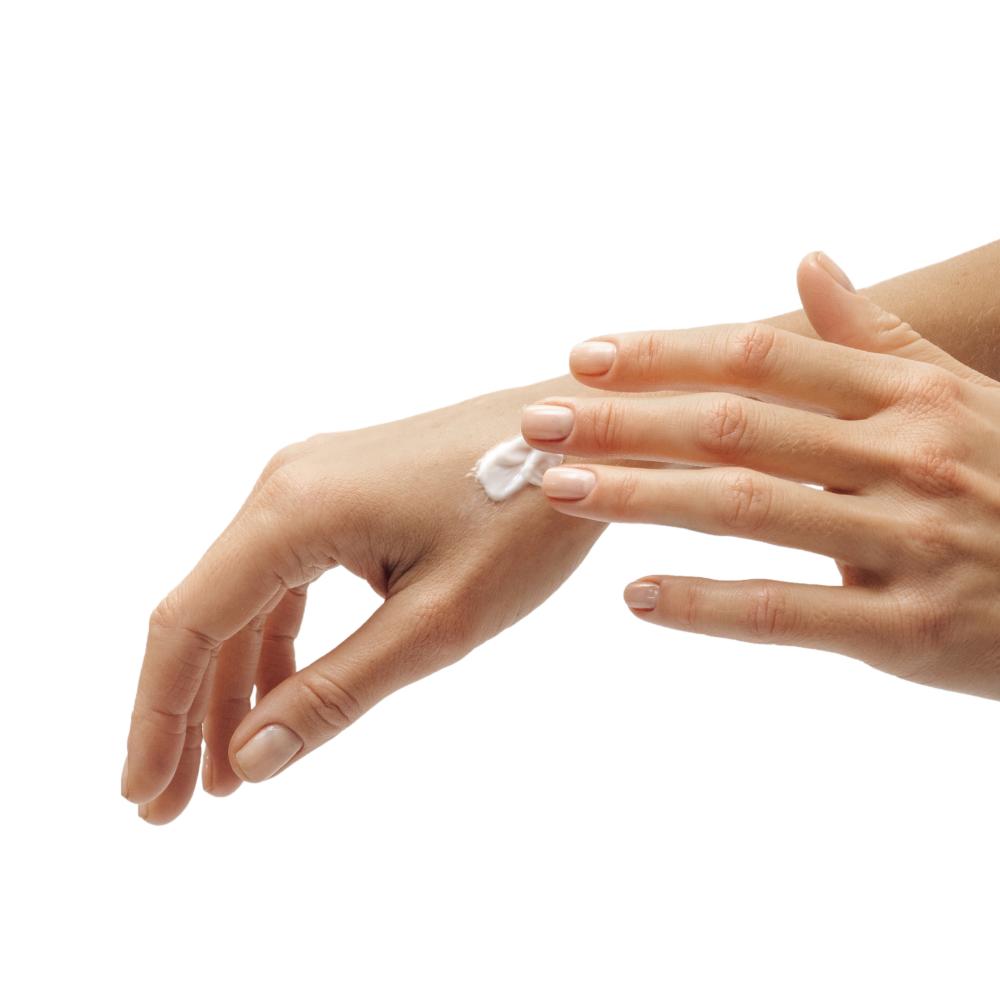
10.56% Lidocaine Numbing Cream is a topical anesthetic designed to alleviate pain during dermatological and aesthetic procedures. With its high concentration of lidocaine, it quickly desensitizes nerve endings to provide effective pain relief. This makes it particularly valuable for procedures such as laser treatments, tattooing, and minor surgeries. Using such a cream can dramatically transform the patient experience by reducing discomfort, allowing them to undergo procedures with minimal anxiety. For professionals, it offers a reliable way to ensure patient comfort, which is crucial in maintaining a positive reputation and client satisfaction.
How Effective is 10.56% Lidocaine Numbing Cream?
The effectiveness of 10.56% Lidocaine Numbing Cream primarily stems from its high lidocaine concentration. This potency allows for rapid numbing, which is essential in managing pain effectively during various procedures. Its applications are broad, covering everything from tattooing and microneedling to cosmetic injections. One anecdote that comes to mind involves a patient with an extremely low pain tolerance; by using this numbing cream, they were able to comfortably undergo a laser treatment that previously seemed daunting. Such versatility makes this cream invaluable in any aesthetic practice.
What Are the Steps to Apply 10.56% Lidocaine Numbing Cream Effectively?
Applying the 10.56% Lidocaine Numbing Cream correctly is key to ensuring its effectiveness. First, make sure the treatment area is clean and dry. Apply a thick layer of the cream over the target area and cover it with a plastic wrap to improve absorption. Leave it on for about 30-45 minutes to allow the anesthetic to take full effect. Before starting the procedure, remove the wrap and wipe away any excess cream. These steps are not just about optimizing the numbing effect; they also help in enhancing patient satisfaction by ensuring comfort. Have you ever experienced discomfort during such procedures? How might using this cream change that experience for you?
What Are the Potential Side Effects and Precautions for 10.56% Lidocaine Numbing Cream?
While generally safe, this numbing cream can cause some side effects, such as redness or itching at the site of application. These reactions are usually mild and temporary. However, more severe allergic reactions, like difficulty breathing, can occur and warrant immediate medical attention. It’s wise to conduct a patch test beforehand to check for hypersensitivity. It’s also crucial not to apply the cream on broken skin to avoid complications. Understanding these precautions ensures that you can use the product effectively and safely, maintaining trust with your patients. Have you encountered any unexpected reactions to topical treatments before? What precautions did you take?
Why Should Professionals Choose 10.56% Lidocaine Numbing Cream Over Other Alternatives?
The choice of numbing cream can significantly impact the outcome of various procedures. 10.56% Lidocaine Numbing Cream stands out due to its high potency and quick onset of action. With its versatility across multiple applications, from tattooing to surgical procedures, it meets the demands of diverse clinical needs. Many professionals I’ve spoken with prefer this cream for its reliability in delivering consistent results. Such a dependable tool is indispensable in ensuring patient comfort and satisfaction, which are the cornerstones of successful practice. What criteria do you consider most important when selecting anesthetic products for use in your practice?
What Are the Best Practices for Using 10.56% Lidocaine Numbing Cream?
Adhering to best practices when using 10.56% Lidocaine Numbing Cream is essential for safety and effectiveness. Start with a thorough patient consultation to check for allergies or sensitivities. Apply the cream generously, and ensure it’s entirely absorbed by using an occlusive dressing. These steps not only maximize the numbing effect but also minimize the risk of adverse reactions. In my experience, these practices lead to better patient outcomes and satisfaction. How might incorporating these best practices into your routine improve the experiences of those undergoing treatment?
Resources
- U.S. Food and Drug Administration (FDA) – The FDA’s official website provides information on drug safety, regulations, and approvals.
- American Academy of Dermatology (AAD) – A leading authority on dermatology, offering resources for professionals and patients.
- MedlinePlus – A trusted source by the National Institutes of Health, providing comprehensive health information.
- NHS (National Health Service) – The official website of the UK’s healthcare system, offering reliable medical information.