
What is 10 Lidocaine Cream?
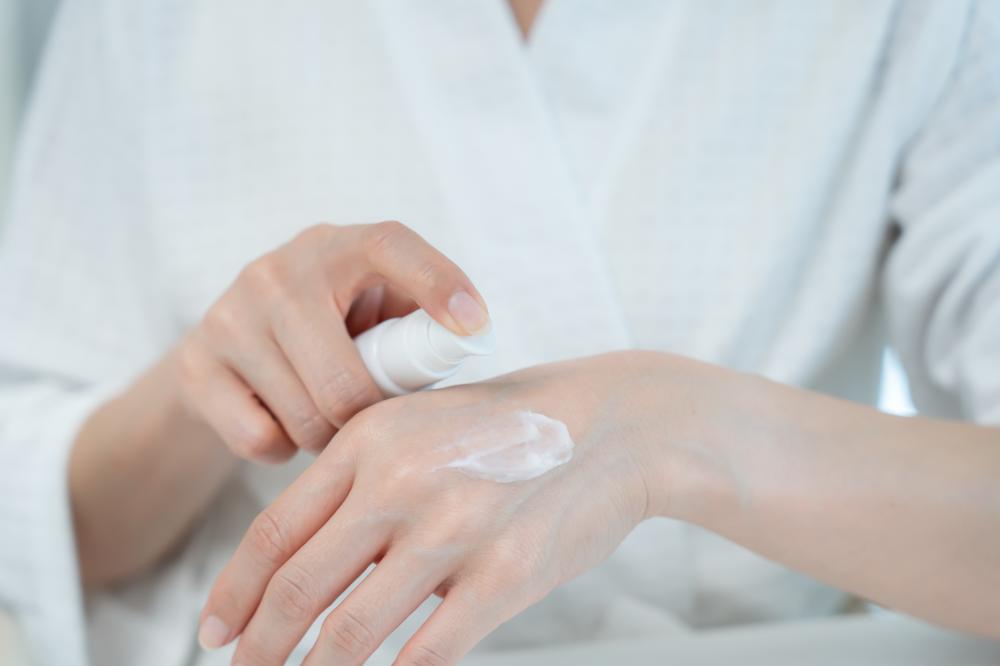
10 Lidocaine cream is a topical anesthetic commonly used to numb the skin before minor painful procedures. As a professional in the medical aesthetics industry for over 20 years, I’ve witnessed its significant role in enhancing patient comfort. This cream works by blocking nerve signals in the body, providing temporary relief from pain or discomfort.
The effectiveness of 10 lidocaine cream is unparalleled when it comes to numbing areas of the skin for short durations. It’s frequently used before cosmetic procedures such as tattooing, laser treatments, and minor surgeries. The ability of the cream to offer a high concentration of lidocaine ensures rapid numbing, which is crucial for both the practitioner and patient.
How to Use 10 Lidocaine Cream Effectively
Applying 10 lidocaine cream is straightforward, but there are steps to ensure its maximum efficacy:
- Clean the Area: Begin with a clean and dry skin surface. Wash the area with mild soap and water, then pat dry with a towel.
- Application: Apply a thin, even layer of the cream over the targeted area, ensuring complete coverage without the cream being too thick.
- Cover: For optimal absorption, the area can be covered with a sterile wrap or bandage. This increases the cream’s potency by allowing it to penetrate deeper into the skin.
- Timing: Allow sufficient time for the cream to take effect, usually around 20 to 30 minutes. Be patient; each skin type may react differently.
- Remove: Before commencing the procedure, gently wipe away any excess cream.
These steps ensure that 10 lidocaine cream performs at its best, providing patients with the comfort they need during procedures.
Common Concerns About 10 Lidocaine Cream
Safety is a primary concern when using anesthetic creams. Many people worry about potential allergic reactions or side effects. In my extensive experience, most reactions to 10 lidocaine cream are mild and transient, such as temporary redness or irritation at the application site. It’s crucial to perform a patch test before using the cream extensively, especially for those with sensitive skin.
Quality Assurance: Professionals always prioritize products from reputable suppliers. Medical Aesthetic Supply, located in St. Louis, MO, is renowned for providing high-quality lidocaine creams. They ensure their products meet industry standards, thereby minimizing risk and maximizing patient safety.
It’s also essential to follow the prescribed application guidelines and never use more than the recommended amount to avoid systemic side effects. Engaging in an open dialogue with your healthcare provider can also address specific concerns and offer personalized advice.
Why Choose 10 Lidocaine Cream?
Choosing the right numbing cream can significantly influence procedure outcomes. The high concentration in 10 lidocaine cream makes it an ideal choice for intensive treatments demanding robust numbing effects. Licensed professionals frequently opt for it due to its reliability and superior performance.
From my perspective, as an experienced aesthetic professional, the versatility of this cream is unmatched. It’s suitable for a variety of procedures, from tattoos to laser treatments. Patients appreciate the enhanced comfort it provides, often expressing relief after experiencing the effects firsthand.
Additionally, access to trustworthy products is vital. Medical Aesthetic Supply offers a range of lidocaine products, allowing professionals to select concentrations that best suit each procedure. This flexibility, combined with quality assurance, is why 10 lidocaine cream remains a top choice in the industry.
What Are the Alternatives to 10 Lidocaine Cream?
For those considering alternatives, several other numbing agents are available, though each has its pros and cons. While lower concentration lidocaine creams like 5% are popular, they often require longer application times to achieve the desired effect. Other options might include products containing benzocaine or prilocaine, which offer different absorption rates and durations.
- Benzocaine: Known for rapid onset, benzocaine is an option for shorter procedures.
- Prilocaine: This is often combined with lidocaine for procedures requiring deep skin numbing.
- Natural Alternatives: Products containing menthol or peppermint oil may offer mild numbing effects, though they are generally less effective than pharmaceutical options.
While exploring alternatives, it’s vital to consider the specific requirements of the procedure and individual patient needs. Professional recommendations can guide you towards the most appropriate solution.
Can 10 Lidocaine Cream Be Used at Home?
Yes, 10 lidocaine cream can be used at home, but it’s essential to follow guidelines for safe use. As an expert in medical aesthetics, I recommend consulting with a healthcare professional before self-application to ensure proper usage.
Home users must understand the importance of applying the right amount and monitoring for any adverse reactions. It’s also beneficial to store the cream in a cool, dry place, away from children’s reach, to maintain its efficacy.
For those seeking relief from pain or discomfort, always read the instructions provided on the packaging or consult with the supplier for usage recommendations. However, for more complex procedures or if unsure, it’s always best to seek professional advice.
Understanding 10 Lidocaine Cream
What are the key benefits of using 10 lidocaine cream over other numbing agents?
10 lidocaine cream offers a potent numbing effect due to its high concentration of active ingredient, which is particularly beneficial for procedures that require rapid and profound skin numbing, like tattooing or laser treatments. Many professionals choose this concentration because it reduces patient discomfort significantly, allowing for a smoother procedure. It’s akin to choosing a tool that ensures both the practitioner and the client are at ease, similar to using high-quality instruments in any craft where precision and comfort are paramount.
How should one conduct a patch test for 10 lidocaine cream to ensure safety?
Performing a patch test is straightforward and vital for safety. Apply a small amount of the lidocaine cream on an area such as the forearm and wait 24 hours to observe any adverse reactions. This step is crucial, especially for those with sensitive skin or a history of allergies. Think of it as test-driving a car before committing to a purchase; it helps ensure compatibility and avoids any unexpected surprises.
Can using 10 lidocaine cream lead to systemic side effects, and how can I minimize such risks?
While side effects are rare, overuse or incorrect application can lead to systemic absorption, causing side effects like dizziness or irregular heartbeats. To minimize these risks, adhere strictly to application guidelines, use only recommended amounts, and never cover large body areas at once. If unsure, consulting a healthcare professional is akin to getting tailored advice before embarking on a new journey.
Why might a professional choose a 10.56% lidocaine cream over a 10% one?
Opting for a 10.56% lidocaine cream, such as the LeedFrost variant from Medical Aesthetic Supply, may provide marginally enhanced numbing benefits, which can be critical for certain high-sensitivity procedures. This slight increase in concentration can mean the difference between mere comfort and optimal relief, much like opting for a premium version of an already excellent product.
Are there any regulatory concerns associated with using topical anesthetics like 10 lidocaine cream?
The FDA has issued warnings about certain numbing products due to potential health risks if misused. It’s crucial to purchase from reputable suppliers like Medical Aesthetic Supply, ensuring quality and compliance with safety standards. This is comparable to choosing verified sources for news to ensure accuracy and reliability in information.
How do alternative numbing agents like benzocaine and prilocaine compare to 10 lidocaine cream?
Benzocaine offers rapid onset but is less potent, making it suitable for less painful procedures. Prilocaine, often combined with lidocaine, provides deeper numbing for invasive treatments but might have different absorption times. Each alternative has its niche, much like choosing between different genres of music for specific atmospheres.
What considerations should I make when using 10 lidocaine cream at home?
Using 10 lidocaine cream at home requires diligence in following instructions and monitoring for adverse effects. Consulting a professional beforehand ensures proper usage tailored to individual needs. It’s similar to attempting a DIY project; with the right guidance, you can achieve professional-level results safely.
What unique advantages does Medical Aesthetic Supply offer for professionals seeking high-quality numbing solutions?
Medical Aesthetic Supply provides a diverse range of lidocaine products, including various concentrations and specialty formulations like the Progelcaine 9.6% Gel. This selection ensures professionals can find precisely what they need for any procedure, backed by trusted quality. It’s like having a well-stocked toolbox, where each tool is selected for its fit and efficiency for the task at hand.
How can I ensure proper storage of 10 lidocaine cream to maintain its effectiveness?
Store the cream in a cool, dry place away from sunlight and out of children’s reach. Proper storage maintains its potency, akin to preserving fine wine under optimal conditions to ensure it ages well and retains its intended quality.
Could using 10 lidocaine cream affect the outcome of cosmetic procedures?
Absolutely, optimized numbing can lead to better procedural outcomes by reducing stress for both practitioner and patient. An example would be a patient less likely to flinch during a tattoo session, allowing the artist to perform with precision, much like a steady hand being crucial for a painter.
Resources
- U.S. Food and Drug Administration (FDA) – The FDA’s website provides information on the regulation of drugs, including lidocaine creams, ensuring their safety and effectiveness.
- American Academy of Dermatology (AAD) – The AAD offers resources on skincare and dermatological procedures, including the use of lidocaine creams in various treatments.
- MedlinePlus – MedlinePlus, a service of the National Library of Medicine, offers reliable information on medications, health conditions, and treatment options, including lidocaine creams.
- National Center for Complementary and Integrative Health (NCCIH) – NCCIH provides evidence-based information on natural alternatives to pharmaceutical products, offering insights into holistic approaches to pain management.