

Unique Benefits of Lidocaine Creams
How to Apply 10 Lidocaine Numbing Cream Effectively
Common Questions About Lidocaine Creams
Exploring Different Lidocaine Concentrations
What Makes a Good 10 Lidocaine Numbing Cream?
Is 10 Lidocaine Numbing Cream Safe for Everyone?

What are the unique benefits of using a 10% lidocaine cream?
10% lidocaine numbing cream is highly effective for procedures that require significant pain relief. This concentration offers rapid onset of action, usually within minutes, and sustains numbness for hours, making it ideal for lengthy or multiple-area procedures. For instance, I’ve seen its use during patient pre-treatment for laser procedures, and their feedback is overwhelmingly positive regarding comfort and reduced anxiety. This cream is a reliable tool for both medical and cosmetic applications, which ultimately leads to smoother, more efficient sessions.
How can I apply the 10% lidocaine cream most effectively?
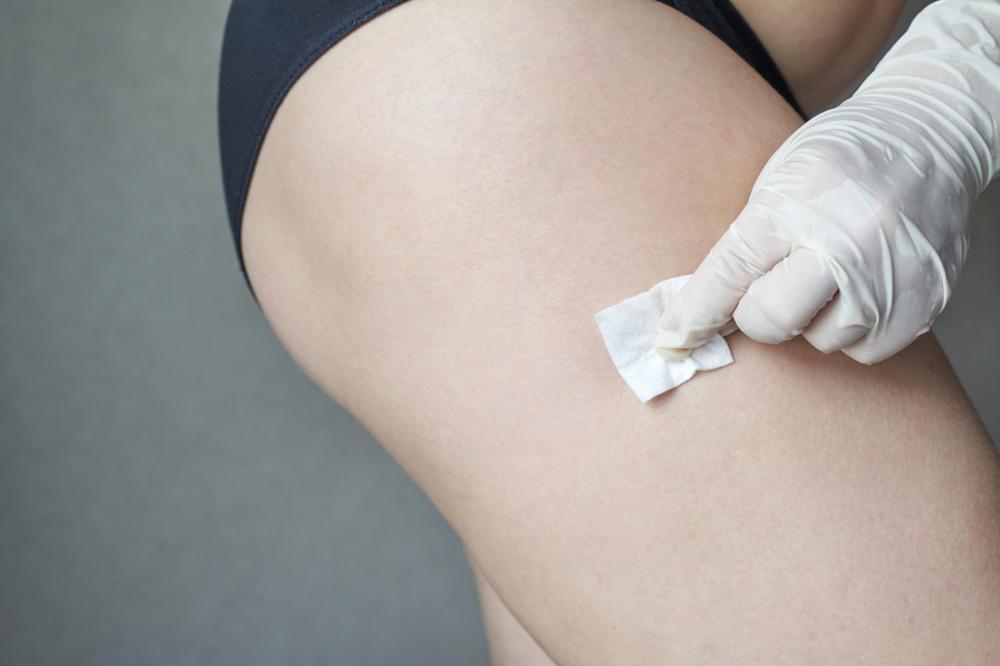
For best results, start by cleaning the area with mild soap and water to remove oils and dirt. Dry it thoroughly, as moisture can dilute the cream’s potency. Apply a generous amount and distribute it evenly across the targeted area. To enhance absorption, cover with plastic wrap for about 30-60 minutes. I recommend this method for deeper penetration and more effective numbing, especially in professional settings where precision is crucial.
Is the 10% lidocaine cream safe for everyone?
Although generally safe for most, those with allergies to lidocaine or liver conditions should avoid it. Pregnant or nursing women should consult healthcare providers before use. Always adhere to recommended guidelines; using it as directed can prevent potential side effects. If you’ve ever had a negative reaction to topical anesthetics, a patch test or professional advice is wise before full application. How might your personal health conditions affect your use of lidocaine products?
Are there any long-term effects from using lidocaine cream regularly?
While rare, frequent use over large body areas could lead to systemic absorption and potential side effects. It’s important to follow application guidelines and consult with healthcare providers, especially if using regularly for chronic conditions. If you’re exploring long-term solutions for pain management, have you considered discussing comprehensive strategies with a medical professional?
What should one consider when choosing different lidocaine concentrations?
Selection depends on the procedure and skin sensitivity. While 10% is common for substantial numbing, higher concentrations like 16% or 23% are reserved for intensive needs. Lower percentages, such as 4%, are suitable for minor irritations. Matching concentration to needs ensures safety and efficacy; for instance, an aesthetician recently found that using a 23% cream for clients undergoing extensive tattoo work minimized discomfort significantly. Have you found a particular concentration aligns best with your professional experiences?
What are common misconceptions about 10% lidocaine cream?
One misconception is that higher concentrations are always better. In reality, more isn’t necessarily advantageous for every scenario–it varies with procedure types and skin sensitivities. Another misunderstanding is its safety on all skin types; broken or irritated skin can lead to adverse reactions. It’s crucial to understand product specifications to ensure proper use. What misconceptions have you encountered, and how did you address them?
Are there any FDA warnings regarding lidocaine products?
Yes, the FDA has cautioned against unsupervised use of topical numbing agents due to potential risks, such as systemic toxicity. Products from unreliable sources can contain harmful additives, so sourcing from trusted suppliers is essential. While considering lidocaine products, have you checked for reputable supplier certification and FDA compliance in your purchases?
What makes a good lidocaine cream effective and reliable?
Quality ingredients, ease of application, and user feedback are hallmarks of a reliable product. The LeedFrost 10.56% provides excellent numbing power, favored for its consistency and performance in clinical environments. I often recommend engaging with peer reviews and expert evaluations to select the most effective cream for professional use. Have you explored peer feedback when deciding on medical supplies?
Resources
- U.S. Food and Drug Administration (FDA) – The FDA homepage provides information on drug safety, regulations, and approvals, including resources on lidocaine creams.
- MedlinePlus – Run by the National Institutes of Health, MedlinePlus offers reliable information on medications, health topics, and more, including details on lidocaine creams.
- American Academy of Dermatology (AAD) – The AAD website is a trusted source for dermatological information, including insights on lidocaine creams for skin procedures.
- Mayo Clinic – Mayo Clinic’s website provides expert medical information, including details on lidocaine use, safety, and potential side effects.
- Centers for Disease Control and Prevention (CDC) – The CDC offers valuable health resources, including information on anesthesia safety and lidocaine use.