
The Importance of Numbing for PRP
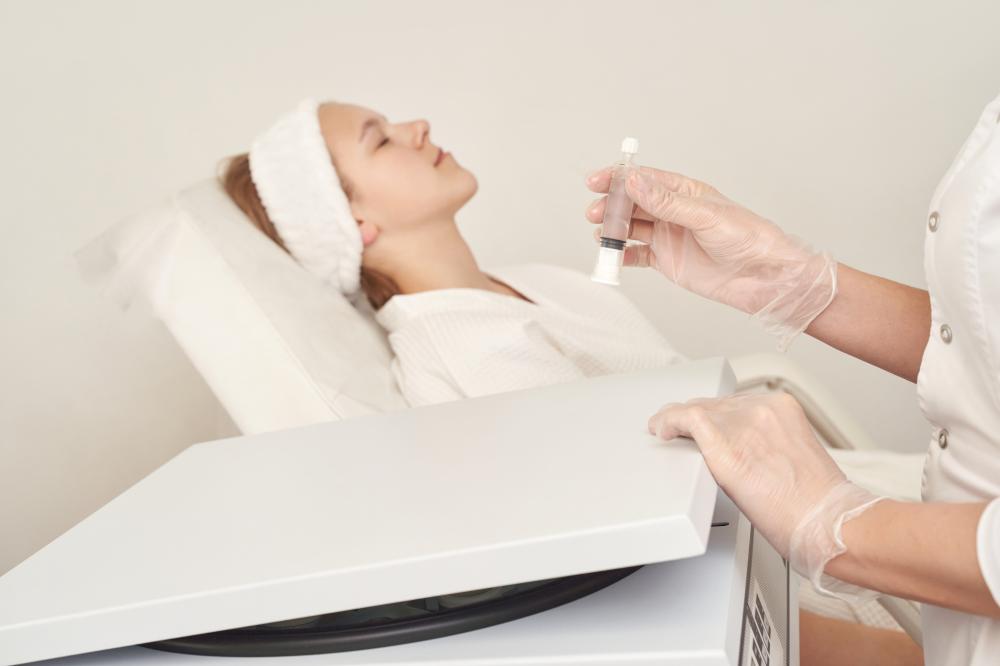
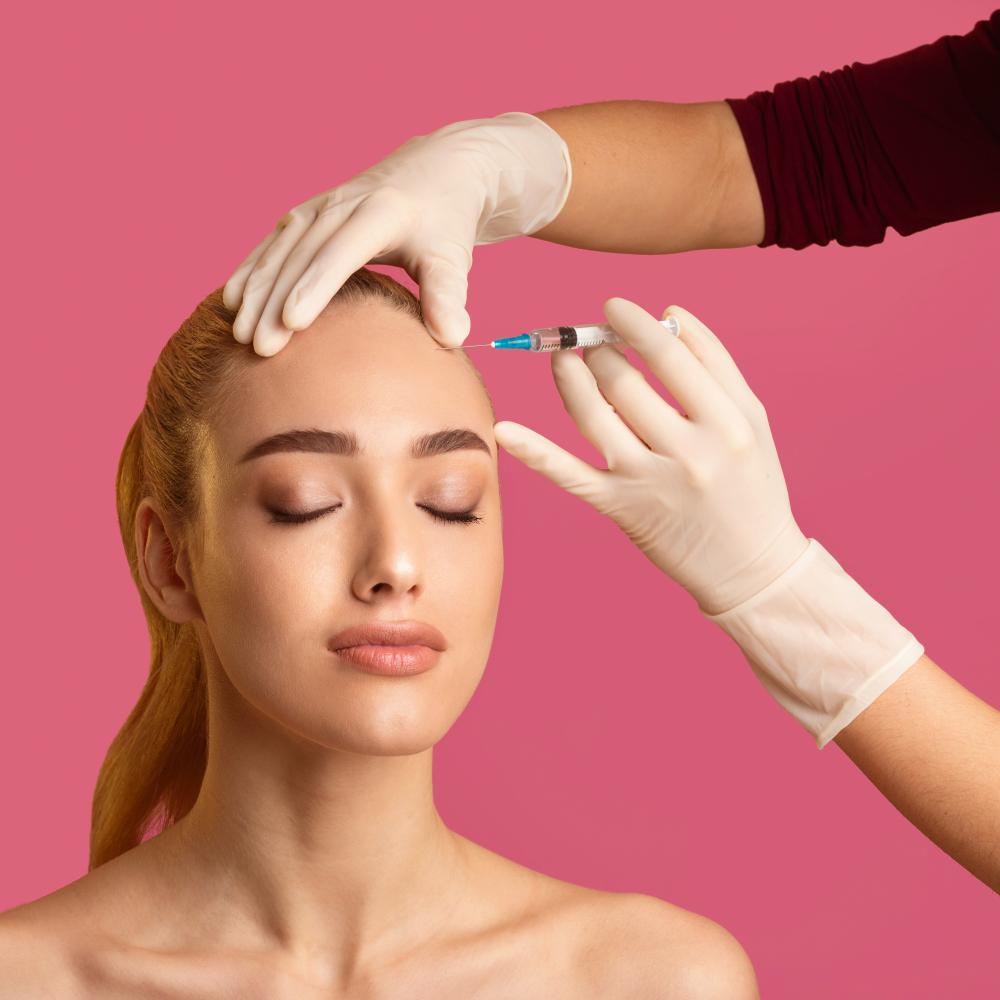
Platelet-rich plasma (PRP) therapy is increasingly popular in both medical and cosmetic fields, from combating hair loss to rejuvenating skin. While effective, the procedure can be uncomfortable, especially for those with sensitive skin. Selecting the Best Numbing Cream for PRP not only eases discomfort but also improves the overall experience, ensuring patients remain calm and still during treatment.
As a professional with over 20 years in medical aesthetics, I’ve witnessed the transformative power of proper numbing solutions. Numbness allows practitioners to focus on precision without the distractions of patient discomfort. The right numbing cream can make a world of difference.
Top Numbing Cream Options
In the world of PRP, numbing creams vary in their ingredients and effectiveness. Commonly used in clinics, Lidocaine-based products are preferred for their potent anesthetic properties. However, the effectiveness also hinges on the concentration of lidocaine or the combination with other agents like benzocaine or tetracaine.
- NumbSkin 10.56% Lidocaine: A favorite among practitioners for its robust numbing capacity and speedy action.
- NeuroMed BLT Numbing Cream: Blending benzocaine, lidocaine, and tetracaine, this cream ensures comprehensive coverage for a pain-free experience.
- Progelcaine 9.6% Lidocaine Gel: Known for its depth of penetration, ideal for extended treatments.
Choosing the Best Numbing Cream for PRP involves evaluating the patient’s skin sensitivity, the procedure’s scope, and personal preferences. Professionals often rely on creams like LeedFrost 10.56% Lidocaine Cream, available in convenient sizes for single or multiple sessions.
Application Procedure for Numbing Creams
Applying a numbing cream correctly is crucial for its effectiveness. Here’s how to do it:
- Begin by cleansing the treatment area thoroughly with soap and water to remove oils and debris.
- Apply a thick layer of your chosen numbing cream to the area.
- Cover the area with plastic wrap to trap heat and enhance absorption. Leave it for 30 to 60 minutes.
- Remove the wrap and wipe off excess cream before proceeding with the PRP treatment.
Adhering to these steps ensures the Best Numbing Cream for PRP delivers optimal results, providing a nearly pain-free experience.
Are There Any Risks with Numbing Creams?
Numbing creams, when applied correctly, are generally safe. However, like any product, they carry potential risks, especially if not used as directed. Allergies to active ingredients can lead to adverse reactions, and over-application may result in systemic effects.
Consultation with a healthcare provider is essential, especially for patients with pre-existing skin conditions or allergies. As a seasoned professional, I recommend a patch test prior to full application. This helps identify any potential reactions before undergoing the full procedure.
What Qualifies as the Best Numbing Cream for PRP?
The Best Numbing Cream for PRP is one that combines efficacy with safety. It should quickly numb the skin without adverse effects, allowing for a range of PRP applications.
The cream’s formulation, concentration, and the patient’s unique needs influence its effectiveness. Always consider these factors and consult professionals experienced in medical aesthetics for tailored advice.
Incorporate patient feedback and clinical insights to determine the preferred product. A 5-star rating from users and colleagues is often a reliable endorsement, ensuring both comfort and effectiveness during PRP treatments.
What makes a numbing cream effective for PRP therapy?
In the world of PRP therapy, numbing creams play a crucial role in enhancing patient comfort. Their efficacy largely relies on the concentration and combination of active ingredients like lidocaine, benzocaine, and tetracaine. For instance, a cream like LeedFrost with 10.56% lidocaine or NeuroMed BLT, which combines several anesthetics, can offer robust numbing effects. It’s akin to selecting the right tool for a job; the better suited the cream is to your needs, the smoother the procedure will be. Always consider patient-specific factors such as sensitivity and the scope of the procedure when choosing a numbing cream.
How long before a PRP procedure should a numbing cream be applied?
Timing the application of your numbing cream is pivotal. Typically, for optimal results, it’s recommended to apply the numbing cream at least 30 to 60 minutes before the procedure. This gives the active ingredients enough time to penetrate the skin and take effect. Think of it like letting a marinade soak into meat before cooking–it ensures the flavors, or in this case, the numbing effect, is thoroughly absorbed. Covering the area with plastic wrap can help enhance absorption by trapping heat.
Are there any potential risks associated with using numbing creams?
While numbing creams are generally safe, there are risks if not used correctly. Allergic reactions to ingredients are possible, and over-application can lead to systemic side effects. Picture someone misusing medicine; similar principles apply here. It’s wise to perform a patch test before full application, particularly for patients with known sensitivities or skin conditions. Engaging in a conversation with your healthcare provider about any concerns can also help preempt issues.
Why should professionals consider sourcing their numbing creams from specialized suppliers like Medical Aesthetic Supply?
Sourcing from specialized suppliers ensures access to high-quality products tailored for professional use. Think of it as the difference between using professional-grade tools versus generic ones–the former often delivers superior performance. At Medical Aesthetic Supply, offerings like the LeedFrost 10.56% Lidocaine Cream provide flexibility with sizes suited for various practice needs, ensuring professionals can cater to patient-specific requirements effectively. Additionally, the range and concentration options available support a wide array of aesthetic procedures.
Can you share a personal experience where numbing cream significantly improved a PRP procedure?
I’ve had countless interactions with clients where the right numbing cream made a world of difference. One memorable instance involved a patient extremely anxious about the discomfort of PRP therapy. By using Progelcaine 9.6% Lidocaine Gel, known for its deeper penetration, the patient experienced minimal discomfort, which allowed them to stay calm and still throughout the session. This not only made the treatment easier but also enhanced the overall outcome due to the precision afforded by patient comfort. Such experiences underscore why selecting the appropriate numbing solution is so vital.
How important is patient feedback when selecting a numbing cream for PRP treatments?
Patient feedback is invaluable when choosing a numbing cream. It’s similar to reading reviews before buying a product online–real experiences offer insights that clinical specifications sometimes don’t capture. High ratings from users and professional endorsements can guide you toward products that consistently deliver. In practice, incorporating feedback allows for continuous improvement, ensuring each patient’s experience is as comfortable as possible. Encouraging patients to share their experiences can not only enhance service quality but also build trust and rapport.
How do numbing creams for PRP compare to those used in microneedling?
While both PRP treatments and microneedling involve skin penetration and can benefit from numbing creams, the choice of product might differ based on procedural specifics. For example, lidocaine concentrations like those found in LeedFrost or Progelcaine are favored for their effectiveness in both scenarios. However, microneedling might require quicker or more superficial action depending on device depth settings. It’s like choosing different spices for cooking based on the dish and desired flavor profile; understanding the subtleties of each procedure helps in selecting the most suitable product.
Numbing Cream Resources
- U.S. Food and Drug Administration (FDA) – The FDA is a regulatory agency responsible for ensuring the safety and efficacy of medical products, including numbing creams.
- American Academy of Dermatology (AAD) – The AAD is a professional organization dedicated to advancing the field of dermatology, providing valuable information on skincare products and treatments.
- American Society for Dermatologic Surgery (ASDS) – The ASDS is a resource for information on dermatologic surgery and cosmetic procedures, offering insights into numbing cream applications.
- MedlinePlus – A trusted source of health information from the National Library of Medicine, providing insights into numbing cream safety and usage.
- AAD – Numbing Cream Information – Specific information from the American Academy of Dermatology on the use of numbing creams for various skin procedures.