
Understanding the Function of Numbing Creams
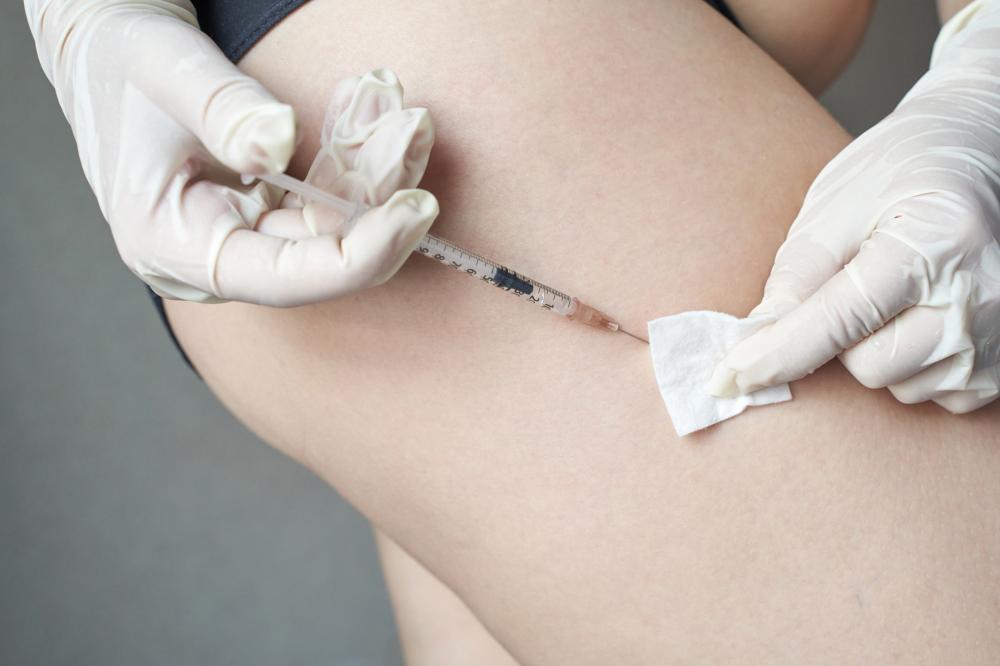
Numbing creams are topical anesthetics that contain ingredients designed to desensitize the skin’s surface, thereby reducing pain during procedures like injections. At Medical Aesthetic Supply, we rely on lidocaine-based products due to their efficacy and safety profile. The LeedFrost 10.56% Lidocaine Cream is one such product that is particularly favored in the industry.
When applied correctly, numbing creams can effectively mitigate discomfort, a boon for both the practitioner and patient. This painless experience not only enhances patient compliance but also improves the overall efficiency of the procedure. As a professional with over two decades of experience, I can attest that numbing cream for injections significantly enhances the patient’s comfort and the clinician’s precision.
Application Techniques for Optimal Results
Getting the most out of numbing cream for injections involves a precise application technique. Here’s how you can best prepare:
- Clean and dry the skin thoroughly at the injection site to remove oils and debris.
- Apply a generous dollop of the numbing cream to ensure a thick layer covers the area.
- Cover it with an occlusive dressing to prevent the cream from evaporating and to enhance skin absorption.
- Leave the cream on for approximately 20-30 minutes to achieve optimal numbing.
- Remove the dressing and wipe off the excess cream, ensuring no residue remains.
Following these steps ensures the cream’s active agents penetrate the skin effectively, providing substantial pain relief. It’s worth noting that different products, like the Progelcaine 9.6% Lidocaine Gel, might require slight variations in application for best results.
Commonly Asked Questions About Numbing Cream for Injections
Many individuals are curious about the appropriate scenarios for numbing cream application, especially concerning safety and efficacy. Here’s a quick overview:
Is it safe for children? Yes, numbing creams can safely be used on children, provided dosages are carefully calibrated with their weight in mind.
Can it be used for all types of injections? While numbing cream for injections can assist with many types, it is crucial to first identify the injection site as different areas might require distinct application methodologies.
Are there side effects? Potential side effects include slight skin irritation or temporary redness. In rare cases, an allergic reaction may occur, necessitating immediate medical consultation.
Navigating Safety Concerns and Optimal Use
Ensuring safety whilst using numbing cream for injections is paramount. Adhering to the following guidelines can help mitigate adverse outcomes:
- Always perform a patch test on a small skin area to detect any allergic reactions.
- Avoid application on broken skin or near the eyes and mouth.
- Be mindful of the cumulative lidocaine concentration to prevent toxicity.
With over 20 years in the aesthetic industry, I’ve observed that communicating safety measures to patients builds trust and ensures a smooth treatment experience.
What Qualifies as a Numbing Cream for Injections Emergency?
An emergency situation arises when a patient experiences severe allergic reactions, such as difficulty breathing, swelling, or anaphylaxis. Immediate intervention is necessary.
Having a guard on duty and knowing the fast-acting anti-allergy protocols can save lives. If symptoms appear, remove the cream, rinse the area, and seek emergency medical assistance.
It underscores the importance of preparedness, ensuring all medical personnel are equipped with the knowledge to handle any eventuality.
Diverse Patient Experiences with Numbing Cream
Patient responses to numbing cream for injections can vary widely. Some experience complete numbness, while others may feel mild discomfort. It is crucial to manage expectations by discussing potential outcomes with patients beforehand.
In my years of practice, feedback from clients has been instrumental. Many appreciate the anesthetic benefits which reduce tension and anxiety associated with needles. A notable case involved a young patient who, having consistently used numbing cream, overcame a deep-rooted fear of injections.
The commitment to patient-centric care, with products from Medical Aesthetic Supply, has repeatedly demonstrated that comfort and safety can coexist seamlessly in medical aesthetics.
What are the core functions and benefits of using numbing cream for injections?
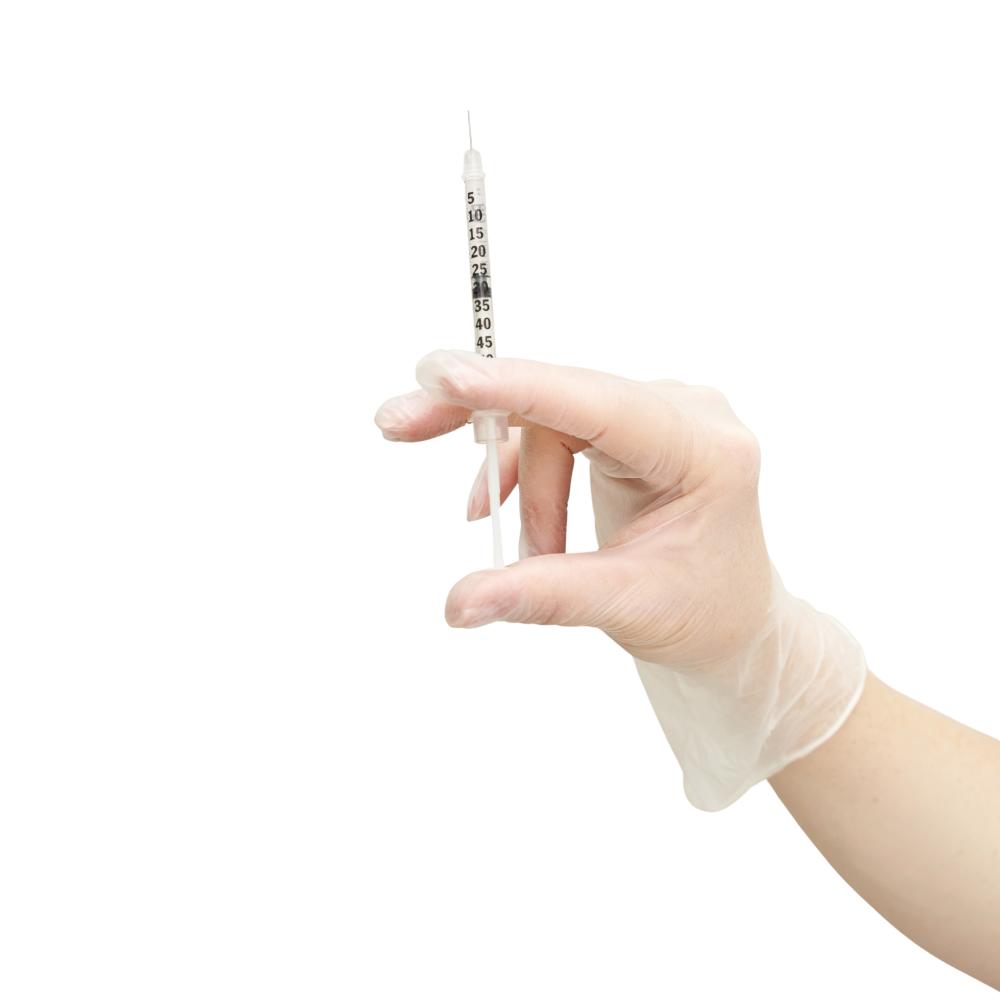
Numbing creams, particularly those with lidocaine as the active ingredient, work by desensitizing the skin’s surface to help alleviate pain during injections. At Medical Aesthetic Supply, we emphasize the use of products like LeedFrost 10.56% Lidocaine Cream because of its proven efficacy and safety. These creams are a game-changer in patient care, enhancing comfort and reducing anxiety about needle procedures. Imagine a scenario where a patient has an intense fear of needles; a numbing cream can significantly reduce their stress and make the entire experience exponentially better. Have you or someone you know ever experienced needle anxiety that could have been alleviated with such a solution?
How can I achieve the best results with numbing cream?
To maximize the effectiveness of numbing creams, it’s crucial to follow specific application techniques. First, ensure the skin is clean and dry to allow better absorption of the product. Apply a generous layer of cream, cover it with an occlusive dressing, and wait for 20-30 minutes. This method ensures that the active ingredient penetrates deeply enough to provide substantial numbness. At our supply store, professionals often choose between different lidocaine concentrations based on the procedure. Have you ever tried different methods in applying skin care products to see which works best for you?
Is numbing cream safe for children and can it be used for all types of injections?
Yes, numbing creams are generally safe for children when the dosage is carefully adjusted according to their weight. However, it’s vital to consult with a healthcare provider before use. Not all injection sites are the same, and some may require specialized application methods. At Medical Aesthetic Supply, our range of products offers flexibility in addressing various procedural needs. Always remember the importance of testing a small patch of skin first to rule out any allergic reactions! Have you ever experienced or heard of unexpected reactions to skincare products?
Are there common misconceptions about the use of numbing creams in medical procedures?
One common misconception is that numbing creams can cause side effects in everyone. While minor skin irritation or redness can occur, severe reactions are rare. The most important step is to conduct a patch test, which is often overlooked. Another misunderstanding is that more cream equals better results, which isn’t true. Overuse can lead to skin sensitivity or even toxicity if not monitored. Imagine overloading on a pain reliever thinking it would work faster; it doesn’t quite work that way, right? Have you ever assumed more of a product would improve results only to find it wasn’t effective?
What should be done in case of an emergency reaction to numbing cream?
If a severe reaction such as difficulty breathing or swelling occurs, remove the cream immediately and seek medical help. These instances are rare but underline the importance of understanding emergency protocols when dealing with skin products. Having an emergency kit with antihistamines and knowing how to use them can make all the difference. At Medical Aesthetic Supply, we educate professionals on these protocols to ensure they’re well-prepared. Have you ever practiced emergency procedures in your own personal or professional life?
How do patient experiences vary when using numbing creams, and how can feedback improve future applications?
Patient experiences with numbing creams can greatly vary. Some feel complete numbness, while others might still experience mild sensations. Managing expectations is key. By engaging with patients and understanding their experiences, professionals can fine-tune their application techniques for better results. At Medical Aesthetic Supply, we value customer feedback, which often leads to product improvements or the development of new solutions. What’s your feedback process like, and how do you handle differing opinions?
Resources
- U.S. Food and Drug Administration (FDA) – The FDA is responsible for protecting the public health by ensuring the safety, efficacy, and security of human and veterinary drugs, biological products, and medical devices.
- American Academy of Dermatology (AAD) – The AAD is the largest, most influential dermatology group in the United States, offering resources and information on a wide range of dermatological topics.
- American Academy of Pediatrics (AAP) – The AAP is a professional organization of pediatricians dedicated to the health, safety, and well-being of infants, children, and adolescents.
- World Health Organization (WHO) – The WHO is a specialized agency of the United Nations responsible for international public health, providing leadership on global health matters.
- Centers for Disease Control and Prevention (CDC) – The CDC is a national public health institute in the United States, working to protect public health and safety through the control and prevention of diseases.