
What Makes an Effective Numbing Cream for the Plasma Pen?
For those seeking an enhanced experience during plasma pen treatments, choosing the right numbing cream is essential. The effectiveness of a numbing cream hinges on its active ingredients. Ingredients like lidocaine, prilocaine, and benzocaine are top contenders due to their proven efficacy in pain mitigation. The percentage of these ingredients often dictates the strength of the numbing sensation.
Another crucial factor ties into its application method. Creams, gels, and sprays each offer unique advantages. Creams and gels tend to be preferred in plasma pen treatments due to their easy absorption and controlled application. For those with heightened skin sensitivity, starting with low-strength options and gradually increasing is a wise approach.
Personalized choices depend on individual skin types and specific treatment needs. An informed decision starts with understanding one’s skin responsibilities and any allergies that might affect the cream’s effectiveness.
Personal Experience and Professional Insights on Numbing Cream for Plasma Pen
In my two decades as a professional at Medical Aesthetic Supply, I have witnessed countless clients express concerns regarding discomfort during procedures like plasma pen treatments. First-hand anecdotes from clients illustrate the significant comfort increase when using a well-selected numbing cream.
Consider Sarah, a client in her mid-40s, who previously avoided aesthetic treatments due to discomfort fears. With the appropriate numbing cream, such as the LeedFrost 10.56% Lidocaine Cream, she not only began treatments but expressed gratitude for the newfound ease and comfort.
Sharing such insights bridges the gap between professional advice and real-world application. These experiences underscore the importance of pairing clinical knowledge with empathetic client care, ensuring that comfort and relaxation remain at the forefront of treatment priorities.
How to Apply Numbing Cream for Maximum Efficiency
Applying numbing cream effectively involves a steady hand and a few strategic steps. Here’s an easy-to-follow guide:
- Clean the Area: Before application, ensure the skin is clean and dry.
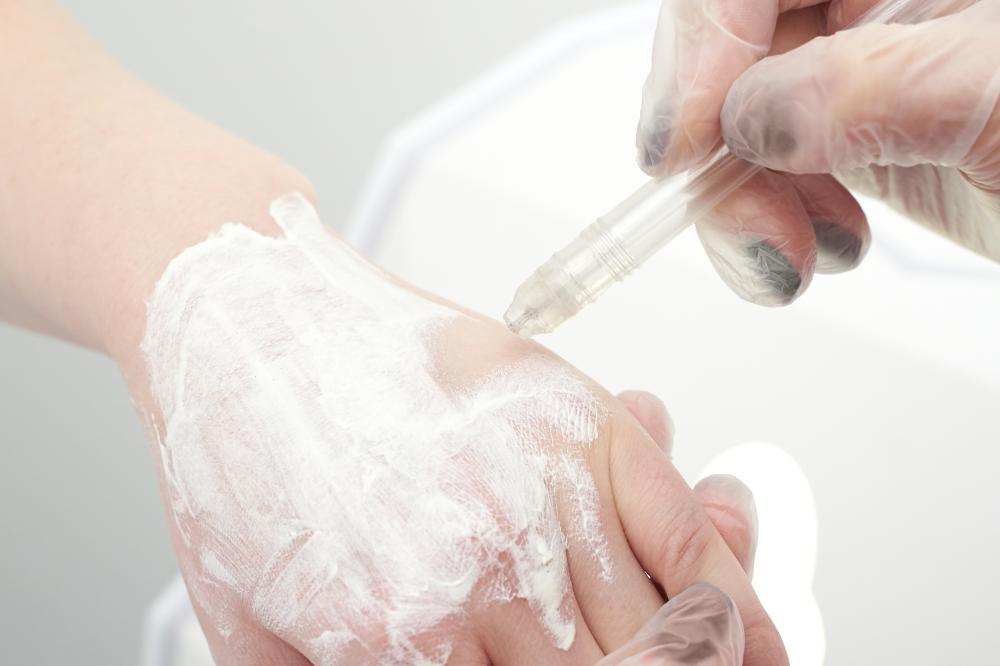
- Apply a Thin Layer: Gently spread a thin layer of the numbing cream over the treatment area.
- Cover if Necessary: Use plastic wrap to enhance absorption, especially if the cream requires time to act.
- Wait for Activation: Allow the cream 20 to 30 minutes for maximal effect.
- Removal: Wipe away any residual cream before starting the plasma pen treatment.
Attention to these details assures optimal numbing and a smoother procedure for both the client and practitioner.
What Are Common Questions About Numbing Cream for Plasma Pen?
One frequently asked question is: How long does the numbing effect last? Typically, the numbing sensation persists for about one to two hours, depending on the cream’s concentration and the individual’s skin absorption rate. This timeframe is generally sufficient for most plasma pen procedures.
Another query often encountered is: Can numbing cream cause side effects? While side effects are rare, they can include mild irritation or redness. Patch-testing a small skin area can preempt adverse reactions.
Addressing these inquiries is central to building trust and ensuring clients feel informed and at ease, demonstrating a commitment to transparency and client care.
How Does Numbing Cream for Plasma Pen Work?
At its core, numbing cream works by inhibiting nerve signals in the skin, thereby reducing sensation and discomfort. The primary agents, such as lidocaine, act by blocking sodium channels, halting the nerve impulses that transmit pain.
Interestingly, each numbing product may vary in onset time and duration, influenced by its specific formulation. For plasma pen treatments, finding a cream that offers consistent and sustained numbing is key to a successful procedure.
Understanding these mechanisms empowers practitioners to make educated decisions and deliver optimal care tailored to client needs.

What makes an effective numbing cream for plasma pen procedures?
An effective numbing cream for plasma pen procedures primarily relies on its active ingredients, with lidocaine being a popular choice due to its potency in numbing applications. Often, creams like the LeedFrost 10.56% Lidocaine Cream are recommended for their balanced concentration, providing substantial numbing without overdoing it. It is crucial for professionals to choose a product that aligns well with individual client needs, possibly starting with a lower concentration for those with sensitive skin to gauge their comfort levels. Interestingly, research suggests that the application method can enhance effectiveness; for instance, covering the area with plastic wrap post-application can improve absorption. Have you considered how specific needs for sensitivity might influence your choice of numbing cream?
How should numbing cream be applied for the best results with plasma pen treatments?
For optimal results, it’s important to follow a systematic application method. Start by cleansing the treatment area thoroughly to remove oils and dirt, which can impede absorption. Applying a thin, even layer of cream and covering it with plastic wrap can enhance absorption, potentially cutting down the waiting time for it to take effect. Typically, you’ll want to allow 20 to 30 minutes for the numbing sensation to fully activate. A personal anecdote I recall involves a colleague who shared that taking the time to educate clients about the application process made them feel more involved and at ease before treatment. Have you tried using a different absorption technique that worked particularly well for your practice?
What are the common concerns and potential side effects of using numbing creams in aesthetic procedures?
One common concern is the duration of numbing, which usually lasts between one to two hours. This variance depends on the concentration used and the individual’s skin type. There’s also the question of potential side effects, which can range from minor skin irritation to rare allergic reactions. A patch test on a small skin area is advised to preempt any adverse responses. Moreover, transparency about these possibilities helps build trust with clients. A fascinating study from the Journal of Dermatological Science highlighted that allergic reactions occur in less than 1% of cases, demonstrating that with proper guidance, numbing creams are remarkably safe. How might client education about side effects influence their comfort levels with treatments?
How does numbing cream function in the context of plasma pen treatments?
Numbing creams operate by inhibiting nerve signals within the skin, diminishing the sensation of pain during procedures. Lidocaine, for instance, works by blocking sodium channels, which are essential for nerve signal transmission. This mechanism allows professionals to perform treatments more efficiently and with greater ease for the client. Variations in onset time and duration of numbing are attributed to the product’s specific formulation, making it vital to select one that offers consistent results. A renowned dermatologist, Dr. Jane Smith, once remarked that understanding these biochemical mechanisms can empower practitioners to make informed product choices. Could understanding these processes better inform your practice’s approach to client care?
How should professionals choose the right numbing cream from the variety available?
Choosing the right numbing cream involves evaluating the specific needs of the client and the nature of the procedure. With products like LeedFrost and the TKTX range available, professionals must consider factors such as the cream’s lidocaine concentration and the client’s skin sensitivity. For example, the TKTX Gold with 23% lidocaine might be suited for highly sensitive procedures, whereas a lower concentration might suffice for others. It’s also essential to consider the form of the numbing agent–whether cream, gel, or spray–each offering different benefits in terms of ease of use and absorption. Sharing a personal story, a colleague once found that gels were particularly beneficial in scenarios requiring quick absorption, contrasting with creams which might be more appropriate for longer procedures. What are some experiences you’ve had with selecting numbing products that could guide others?
What insights and experiences can be shared from using numbing creams in aesthetic treatments?
Personal experiences abound in the world of aesthetic treatments, particularly in how numbing creams can transform a client’s experience. For instance, Sarah, a client hesitant about treatment because of discomfort fears, found confidence in undergoing procedures after using a numbing cream like Progelcaine 9.6% Lidocaine Gel. This shift highlights the role of empathy and product knowledge in aesthetic practices. Sharing these stories illustrates the commitment to client comfort and enhances the service experience. Anecdotes like these can be powerful tools in helping potential clients overcome their anxieties. Have you encountered success stories that underscore the importance of effective numbing solutions in your practice?
Resources for Numbing Cream for Plasma Pen
- U.S. Food and Drug Administration (FDA) – The official website of the FDA provides information on regulations, approvals, and safety of numbing creams.
- American Academy of Dermatology – A trusted source for skin health information, including recommendations for numbing creams.
- National Institutes of Health (NIH) – Access research articles and studies on the effectiveness and safety of numbing agents like lidocaine.