Microblading is a popular semi-permanent makeup technique. It offers a solution for those seeking fuller, well-defined eyebrows.
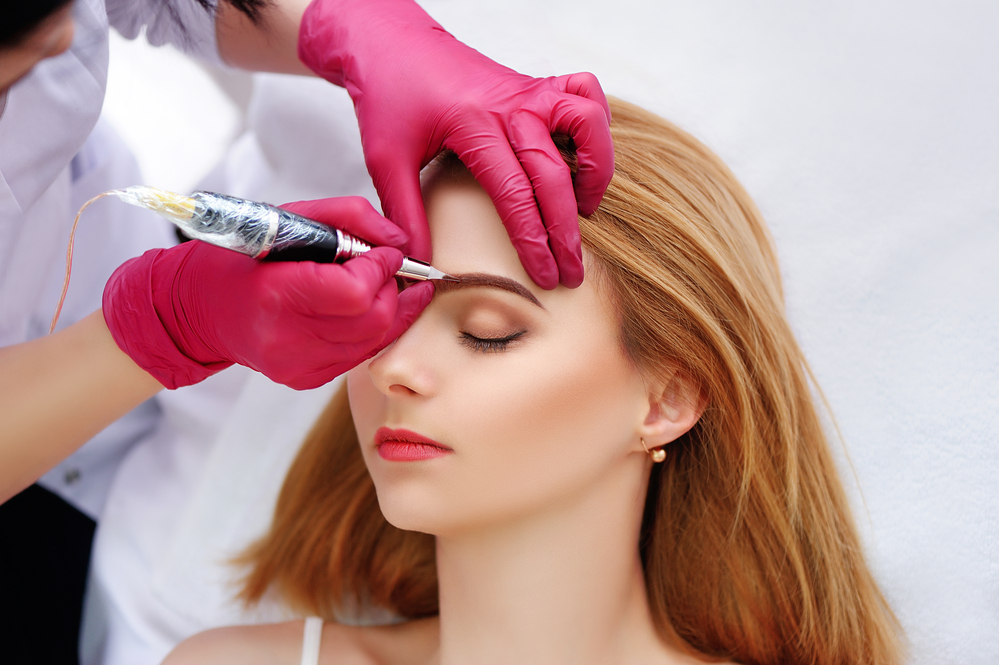 Microblading involves making tiny cuts in the skin to implant pigment. This can cause discomfort or even pain.
That’s where microblading numbing cream comes in. It’s a product designed to minimize pain during the procedure.
This article will examine the advantages of using a skin-numbing cream for microblading. We’ll also explore how it works, its key ingredients, and how to apply it for maximum effectiveness.
Whether you’re considering microblading or a beauty professional, this guide will provide valuable insights. It aims to enhance your understanding and experience of this cosmetic procedure.
Let’s explore the best numbing cream for microblading. It is essential for making the microblading process comfortable and successful.
Understanding Microblading and the Need for Numbing Cream
Microblading is a form of semi-permanent makeup that enhances the eyebrows. You use a handheld tool to create tiny, hair-like strokes in the skin and then fill them with pigment. This process can cause discomfort, hence the need for a topical anesthetic numbing cream.
Numbing cream is applied before the microblading procedure to minimize pain. It works by blocking pain signals from the skin to the brain, making the process more comfortable for the client. It also reduces anxiety and improves the overall experience.
How Numbing Creams Work
Numbing creams, known as topical anesthetics, numb the skin’s surface. They contain active ingredients that penetrate the skin and block the nerves from sending pain signals to the brain. This results in a temporary loss of sensation in the applied area, making the microblading process more comfortable.
The effectiveness of numbing creams can vary occasionally. The cream’s formulation, the person’s skin type, and the method of application can all affect how well the cream works. Therefore, following the product’s instructions for optimal results is crucial.
All You Need to Know About Microblading
Key Ingredients in Numbing Creams
The best microblading numbing creams contain active ingredients that provide the numbing effect. These ingredients are usually local anesthetics that block nerve signals in your body. The most common active ingredients found in numbing creams include:
- Lidocaine
- Benzocaine
- Tetracaine
- Prilocaine
Each ingredient works slightly differently, but they all serve the same purpose: to numb the skin and provide pain relief. Always check the ingredients list before using a numbing cream. This is important if you have any allergies or sensitivities. If you are unsure, talk to a professional.
NeuroMed BLT Numbing Cream
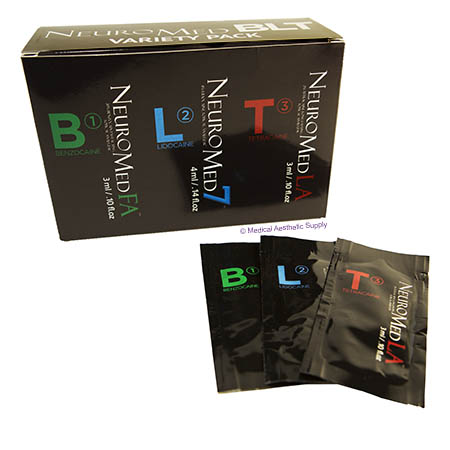 NeuroMed BLT Numbing Cream, 5g dose packets, is a topical anesthetic cream that combines three active ingredients: Benzocaine, Lidocaine, and Tetracaine. BLT numbing cream is an anesthetic to numb the skin and underlying tissues.
NeuroMed BLT Numbing Cream is used as a microblading numbing cream for pain. It is also commonly used in microneedling, PMU, tattooing, laser hair removal, electrolysis, PRP, plasma fibroblast skin therapy, minor surgical procedures, and other medical or aesthetic treatments involving pain or discomfort.
NeuroMed BLT Numbing Cream
NeuroMed BLT Numbing Cream: Best Microblading Numbing Cream
The Right Time to Apply Numbing Cream
Timing is crucial for applying numbing cream for microblading. While some creams are fast-acting, others need time to penetrate the skin and take effect. Most professionals recommend using the cream about 20 to 30 minutes before the procedure begins.
However, the exact timing can vary depending on the product and individual skin type. Always follow the manufacturer’s instructions and consult your microblading professional for personalized advice.
Over-the-Counter vs. Prescription Numbing Creams
Over-the-counter numbing creams are readily available and can be effective for microblading. They typically contain lower concentrations of active ingredients, making them safe for general use.
On the other hand, prescription numbing creams contain higher concentrations of numbing agents. Healthcare professionals often prescribe them for more intensive procedures. Always consult a professional to determine the best option for your needs.
Safety and Side Effects
Numbing creams are generally safe when used correctly. However, like any product, they can cause side effects. These may include redness, itching, or a mild burning sensation at the site of application.
More serious side effects, such as an allergic reaction, can occur in rare cases. Seek medical attention immediately if you experience severe discomfort or any other concerning symptoms, such as difficulty breathing. Always perform a patch test before using a new numbing cream to avoid an adverse reaction.
Application Techniques for Best Results
Applying topical numbing cream correctly can significantly enhance its effectiveness. First, clean the area with mild soap and water. Then, use a generous layer of the cream at the location where you will perform microblading.
Avoid rubbing the cream on the skin. Instead, let it sit on the surface. Cover the area with a plastic wrap to increase absorption and prevent the cream from drying.
Leave it on for the recommended time, usually 30 to 60 minutes, before starting the microblading procedure.
The Role of Numbing Cream in Client Comfort and Satisfaction
Numbing cream plays a crucial role in ensuring client comfort during the microblading procedure. By blocking pain signals, it helps reduce anxiety and discomfort associated with the procedure. This can lead to a more relaxed and positive experience for the client.
Moreover, a comfortable client is more likely to be satisfied with the service and return for future sessions. Thus, using numbing cream can also contribute to client retention and the overall success of a microblading business.
Choosing the Best Numbing Cream for Microblading
Choosing the correct numbing cream for microblading is crucial for achieving both comfort and effectiveness. The best cream depends on your skin type, sensitivity, and preference. You should consult a professional to determine the most suitable product.
Here are a few factors to consider when choosing a numbing cream:
- Active ingredients: Look for creams with lidocaine, benzocaine, tetracaine, or prilocaine.
- Form: Numbing creams are available in various forms, including gels, creams, and sprays.
- Reviews and testimonials: Check what others have to say about the product.
- Consultation with a professional: They can provide personalized advice based on your skin type and sensitivity.
Proper aftercare is crucial to maintaining the results of your microblading session. Numbing cream can help in this process, especially in the initial stages when the skin is still sensitive. It’s important to follow the aftercare instructions provided by your microblading professional.
Numbing cream can also help manage any discomfort during the healing process. However, it’s essential to use it responsibly and avoid overuse. Always talk to a professional if you have concerns or questions about using numbing cream for your microblading aftercare.
Conclusion: Enhancing the Microblading Experience
In conclusion, numbing cream can significantly enhance the microblading experience. It helps manage pain and discomfort during the procedure and aids in the healing process. This can lead to higher client satisfaction and better overall results.
However, it’s important to remember that every individual is different. What works best for one person may not work as well for another. Always consult a professional to determine the best numbing cream for your needs. With the right approach, numbing cream can make your microblading experience more comfortable and enjoyable.