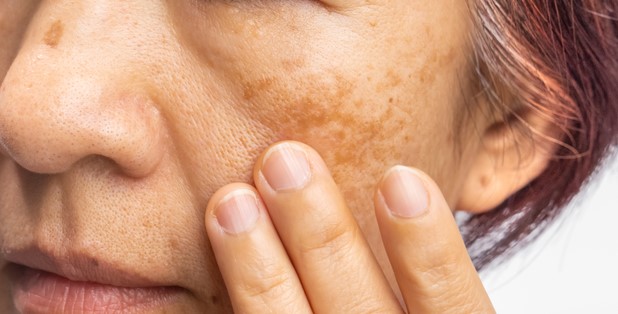
 Lidocaine Gel: Uses, Benefits, and Side Effects – Lidocaine gel is a popular topical anesthetic used to relieve pain and discomfort in the skin.
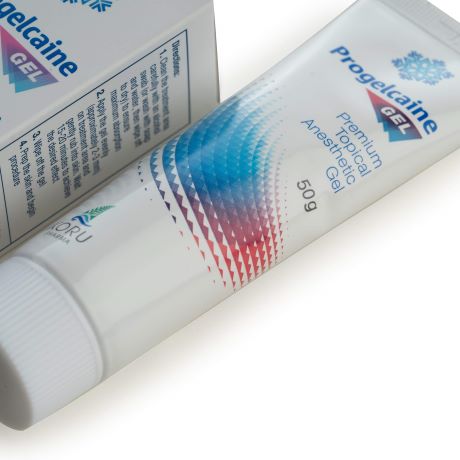
This gel works by blocking nerve signals, providing quick relief. It’s commonly used for minor burns, insect bites, and skin irritations.
Lidocaine gel is also helpful in tattoo and aesthetic procedures to numb the skin. One specific formulation, Progelcaine 9.6 lidocaine gel, offers a higher concentration for more intense relief.
While effective, it’s important to be aware of potential side effects. These can range from mild irritation to rare, serious reactions.
Understanding how to use gel lidocaine safely is crucial. This guide will explore its uses, benefits, and precautions.
What Is Lidocaine Gel?
Lidocaine gel is a numbing agent applied to the skin. It is part of a class of medications known as local anesthetics. This type of gel is prized for its ability to reduce pain and discomfort.
The gel is particularly effective due to its easy application and rapid absorption. It comes in a clear or opaque consistency and provides quick relief once applied. This makes it ideal for use on affected areas of the skin.
Key features of Lidocaine Gel OTC include:
- Fast-acting pain relief
- Non-greasy texture
- Over-the-counter and prescription options
Its versatility extends to various medical and cosmetic uses. While simple to use, understanding its application is crucial to ensuring safety and effectiveness.
How Does Lidocaine Numbing Gel Work?
Lidocaine numbing gel works by blocking nerve signals in the body. This prevents the brain from receiving pain messages, reducing discomfort. Upon application, the skin quickly absorbs the gel.
Once absorbed, the gel numbs the targeted area. This numbing effect allows for temporary pain relief. It is ideal for soothing skin irritations and minor injuries.
Effects of lidocaine gel include:
- Numbing of the targeted area
- Quick absorption
- Temporary pain relief
The gel is effective due to its prompt action. It provides relief in minutes, ensuring comfort and ease. Mayo Clinic: Topical Application Route
Common Uses of Lidocaine Gel
Lidocaine gel is widely used to relieve minor burns and insect bites. Its quick action helps  calm skin irritation efficiently. It is often a go-to for minor pain relief in these cases.
In aesthetic procedures, gel lidocaine numbs the skin to reduce discomfort. This is common in dental work where numbing of the gums is necessary. It also aids in making tattooing and piercing more tolerable.
Beyond medical applications, it provides relief from everyday discomforts. Hemorrhoid sufferers often use it to ease painful symptoms. Furthermore, athletes might use it for minor sports injuries.
Common uses of lidocaine gel include:
- Treating minor burns
- Numbing for aesthetic procedures
- Soothing hemorrhoids
- Easing tattoo and piercing pain
This gel’s flexibility makes it popular in many fields. Whether for injury or procedure, its effectiveness is well recognized.
Johnny Crash Ultimate Combo
Types and Formulations: Including Progelcaine 9.6 Lidocaine Gel
Lidocaine gel comes in various formulations tailored for specific needs. Each type may vary in concentration and additional ingredients to enhance effectiveness. One of the well-known variants is Progelcaine 9.6 Lidocaine Gel.
Popular lidocaine gel formulations include:
- Progelcaine 9.6 Lidocaine Gel
- Over-the-counter varieties
- Prescription-based products
Progelcaine 9.6 Lidocaine Gel
Progelcaine 9.6% Lidocaine Gel is the best topical anesthetic gel for microneedling or microblading. It also effectively numbs the pain of tattoos, electrolysis, laser, injections, and other painful aesthetic procedures or dermal pain.
 Applied as a primary numbing gel, Progelcaine is as good as any 10 percent lidocaine gel for fast-acting, long-lasting, maximum numbness with minimal side effects.
Progelcaine 9.6 boasts a higher lidocaine concentration, offering more potent pain relief. This makes it suitable for situations requiring stronger anesthesia. Users often prefer it for severe pain issues or extensive procedures. Progelcaine 9.6% Lidocaine Gel
Choosing the right lidocaine gel depends on the intended use. Whether over-the-counter or prescription, each serves specific purposes. Always consult a healthcare professional to ensure the best option.
How to Use Topical Lidocaine Gel Safely
Using topical anesthetic gel requires careful attention to instructions. Following the guidelines can minimize the risk of side effects. Always start by washing the skin where you plan to apply the gel.
Apply a thin layer of gel, ensuring even coverage. Avoid using too much, as this can increase absorption, potentially leading to adverse effects. The effectiveness often depends on how well the gel is applied. How to Apply Numbing Gel Correctly
Key safety tips for using lidocaine gel:
- Never apply to broken skin or open wounds
- Avoid eyes and mucous membranes
- Wash your hands thoroughly after application
Understanding these tips ensures safe and effective use. If uncertain about dosage, consult a health care professional. They can provide personalized advice based on your needs.
Potential Side Effects and Risks
Lidocaine gel is generally safe when used as directed, but side effects can occur. These are typically mild, like redness or swelling at the application site. Some users might experience minor skin irritation, which usually resolves quickly.
In rare cases, serious reactions could happen. Allergic responses, like rash or dizziness, require medical attention. Systemic toxicity is another serious risk, though uncommon.
Potential side effects and risks include:
- Localized irritation or redness
- Allergic reactions or itching
- Systemic effects from overuse
Understanding these side effects helps manage expectations. Monitoring your reaction is crucial, especially when using the gel for the first time. If you experience severe symptoms, stop using the gel immediately and call your doctor for medical advice about side effects.
Precautions and Who Should Avoid Lidocaine Gel
Using lidocaine gel requires caution, especially for certain individuals. Awareness of potential risks ensures safe usage.
Certain groups should exercise care or avoid it completely. Pregnant women, nursing mothers, and people with specific allergies should consult a doctor before use.
Avoid using lidocaine gel if you:
- Have known allergies to lidocaine or similar drugs
- Are you applying it to large or broken skin areas
Safety first: always read labels and follow medical advice. This minimizes side effects and ensures effective pain relief. Dermatology Times: Lidocaine Allergy Contact Dermatitis
Tips for Storage and Handling
Proper storage and handling of lidocaine gel are crucial for maintaining its effectiveness. Simple steps can ensure the gel remains potent and safe.
Keep the lid tightly closed and store the gel at room temperature. Avoid exposing it to moisture or direct heat.
Storage and Handling Tips:
- Store out of children’s reach
- Keep away from heat and sunlight
- Ensure the container is sealed after use
Conclusion
Lidocaine gel offers effective relief for various minor pains and discomforts. With its quick action and ease of use, it fits conveniently into daily life.
However, it is important to use it responsibly. Always follow product instructions and consult a healthcare professional if issues arise. By being informed and cautious, you can safely incorporate lidocaine gel into your pain relief regimen.
When to Consult a Healthcare Professional
If pain persists or you experience severe side effects, contact a healthcare provider for further advice and guidance.