

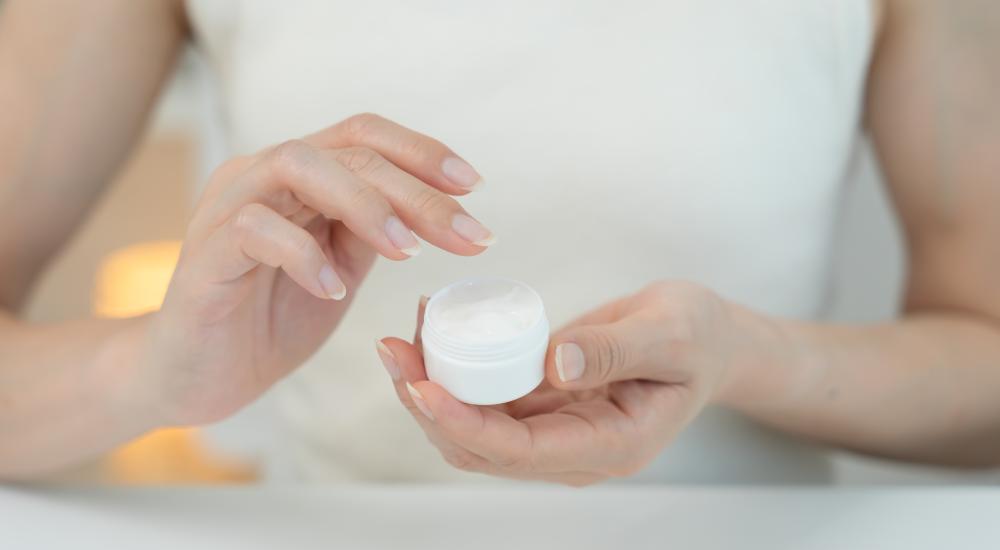
What is 20% Lidocaine Cream?
The term 20% lidocaine cream refers to a high-potency topical anesthetic used for numbing the skin before various procedures. Unlike over-the-counter options, which usually contain lower concentrations of lidocaine, this variant is sought after for its robust numbing capabilities. Patients undergoing minor surgical procedures or tattooing often seek out this cream for its effectiveness.
While commercially available creams generally cap at 5% lidocaine concentration, specialized forms of 20% lidocaine cream can be procured through licensed medical professionals. This ensures that application and dosage are carefully managed, reducing potential risks or side effects. The heightened concentration offers a deeper numbing effect, making it a reliable option for medical professionals.
How to Use 20 Lidocaine Cream Effectively
Applying 20% lidocaine cream correctly is vital to maximizing its numbing benefits while minimizing risks. Here’s a step-by-step guide:
- Consult a Professional: Always consult with a certified provider before using high-concentration lidocaine creams.
- Clean the Area: Start by cleaning the skin to remove any dirt or oils that may hinder absorption.
- Apply the Cream: Use a small amount of 20% lidocaine cream on the desired area, spreading it evenly.
- Cover and Wait: Cover the area with a plastic wrap if advised, allowing the cream to penetrate for the recommended duration.
- Remove Excess: After numbing, remove any excess cream and proceed with the intended procedure.
By following these steps, professionals ensure optimal efficacy while maintaining patient comfort.
Safety Concerns Associated with 20% Lidocaine Cream
While highly effective, 20% lidocaine cream does come with safety considerations. Its potent formulation necessitates precise application to prevent potential side effects. Both patients and professionals must be aware of symptoms like skin irritation or allergic reactions. If any adverse effects occur, seeking immediate medical advice is imperative.
- Proper Dosage: Exceeding recommended dosages can lead to toxicity.
- Avoiding Sensitive Areas: Application on broken or inflamed skin should be avoided.
- Monitoring for Reactions: Watch for any signs of skin discomfort or allergic response.
Awareness and precaution are critical when using high-concentration lidocaine products. Medical advice should be sought if any unexpected reactions occur.
Can 20% Lidocaine Cream Be Used at Home?
While the convenience of using 20% lidocaine cream at home may be appealing, it’s advised to do so only under professional guidance. Due to its high concentration, it typically requires a prescription or must be administed by a healthcare provider. Home use should be limited to lower concentrations unless explicitly advised by a healthcare practitioner.
Individuals considering this cream for home use should first discuss their plans with a healthcare professional to determine appropriateness and application techniques. This ensures both safety and efficacy, thereby preventing potential misuse.
What Qualifies as a 20% Lidocaine Cream Emergency?
An emergency regarding 20% lidocaine cream generally involves symptoms of overdose or severe allergic reactions. Immediate medical attention is needed if there are symptoms of dizziness, irregular heartbeat, or difficulty breathing.
Identifying such symptoms promptly is crucial. Here’s what to do in an emergency:
- Stop using the cream immediately.
- Rinse the area with water to remove any remaining product.
- Contact emergency services and report all symptoms experienced.
- Provide an accurate history of the cream’s use to healthcare providers.
Swift action can mitigate complications, ensuring the user’s safety during adverse events related to lidocaine exposure.
Common Questions About 20% Lidocaine Cream
One frequent question is the availability of 20% lidocaine cream for purchase. As a potent anesthetic, it is typically not found in over-the-counter formulations. Instead, it’s accessed through clinical settings.
Many inquire about its efficacy compared to lower concentrations. The heightened numbing effect is ideal for extensive procedures requiring profound anesthesia. However, this strength also calls for professional oversight. User safety is paramount, necessitating expert guidance for its application.
What is the difference between 20% lidocaine cream and over-the-counter lidocaine products?
Great question! Over-the-counter lidocaine products generally have a lidocaine concentration of up to 5%, which makes them suitable for minor aches and localized pain relief. In contrast, 20% lidocaine cream is a high-potency formulation typically used under professional supervision. Its strong numbing effect is ideal for minor surgeries or extensively painful procedures like tattooing. This strength demands careful application to minimize risks, making it less commonly available without a prescription. For those considering its use, consulting a healthcare provider to discuss safety and suitability is always a wise step.
How can I use 20% lidocaine cream safely and effectively?
Applying 20% lidocaine cream properly is essential for maximizing its benefits. Start by consulting with a healthcare professional to ensure it’s appropriate for your needs. Then, clean the skin thoroughly before applying a small, even layer of the cream on the desired area. If advised, cover the area with plastic wrap to enhance absorption and wait for the recommended time. Once numbed, remove any excess cream before proceeding with your procedure. Remember, using too much cream can lead to toxicity, so always adhere to professional guidance. For those considering using it at home, a lower concentration might be safer and more appropriate unless advised otherwise.
What are the safety concerns associated with 20% lidocaine cream?
Due to its high potency, 20% lidocaine cream does pose some safety considerations. Exceeding the recommended dosage can lead to serious side effects, including toxicity. Avoid applying it to broken or inflamed skin to prevent irritation or systemic absorption. Users should be vigilant for allergic reactions, such as redness or swelling. If any adverse symptoms occur, stop using the cream immediately and consult with a healthcare provider.
Can I use 20% lidocaine cream at home?
While it might be tempting to use 20% lidocaine cream at home for its powerful numbing effects, it’s typically recommended to do so only under professional guidance. The cream’s strong concentration means that misuse can lead to serious health complications. Generally, home use is limited to lower concentrations unless a healthcare provider advises otherwise. If you’re considering using it at home, it’s crucial to have a medical professional assess your situation to ensure safety.
What should I do in case of a 20% lidocaine cream emergency?
In the unfortunate event of an emergency, such as overdose symptoms or severe allergic reactions, immediate action is crucial. Stop using the cream right away and rinse the area thoroughly with water. Contact emergency services and provide them with detailed information about the symptoms and your use of the cream. Quick intervention is vital to address and mitigate complications effectively. Remember to always keep communication lines open with healthcare providers when using high-potency products.
Is 20% lidocaine cream available for purchase online?
Searching for 20% lidocaine cream online might lead you to various sellers, but due to its potency, this formulation typically requires a prescription. Some online pharmacies or professional suppliers offer it, but it’s crucial to ensure that you’re dealing with legitimate sources. Purchasing from reputable suppliers guarantees product quality and safety. If you’re unsure, consult a healthcare provider or a trusted pharmacy to explore reliable options that meet your needs.
Resources
- U.S. Food and Drug Administration – The official website of the FDA provides information on drug safety, regulations, and approved medications.
- American Academy of Dermatology – A trusted source for dermatological information, including resources on skin care and procedures.
- MedlinePlus – A service of the National Library of Medicine, offering reliable health information for consumers and professionals.